A New Era for Norwegian Football
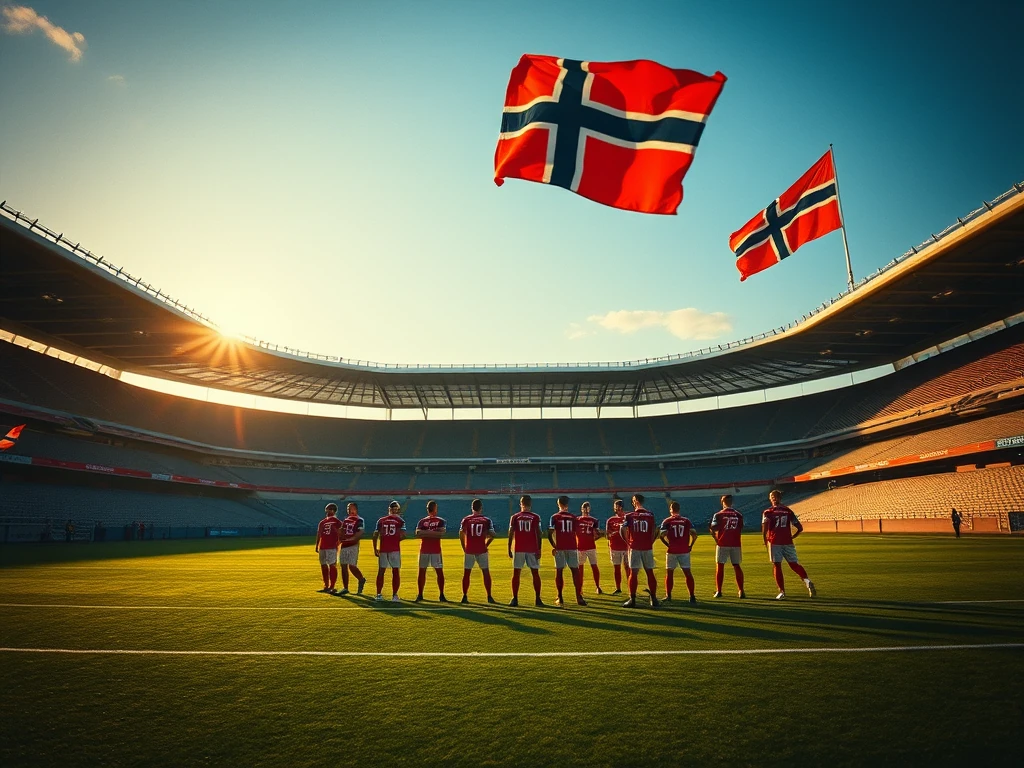
Norway has finally made its comeback to the FIFA World Cup 2026 after a 28-year drought. The team, which has a rich football history, hasn't qualified for the tournament since 1998. It's not only exciting that they are back; they bring with them one of the most promising players of modern times: Erling Haaland. With an impressive 16 goals in qualifying, it's clear he is a key player for Norway.
This tournament provides Norway with a chance to shows what they are made of, while also building on the growing interest in football within the country. For both players and fans, this is an opportunity to write themselves into history and restore national pride on the international stage.
Haaland: A Goal Machine in Disguise
Erling Haaland is undoubtedly Norway's biggest star. With a physicality that few can match and an ability to score from almost any position on the pitch, he adds an extra dimension to the team. He has already established himself as one of the most feared strikers in the world, and his performances for Manchester City have only heightened expectations.
Haaland's ability to create space for himself, combined with his speed and accuracy, makes him a constant threat. During the qualification rounds, he has also proven to be a team player who contributes to setting up others, allowing Norway to attack from multiple angles. Here are some of his most notable statistics: - 16 goals in qualification - 5 assists - An average shot accuracy of 68%
Tactical Approach to the Tournament
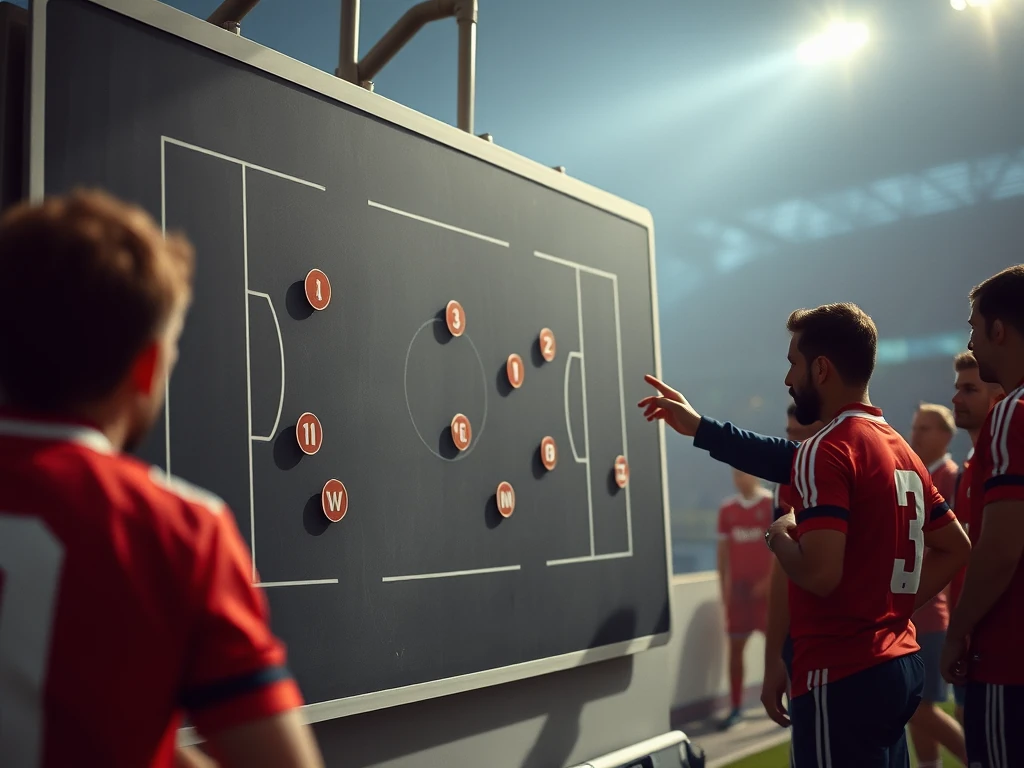
Norway's manager, Ståle Solbakken, has developed a tactical plan that exploits the team's strengths. With Haaland as the spearhead, Norway will likely adopt a 4-3-3 formation. This gives the team the flexibility to attack while maintaining defensive lines against stronger opponents.
The Norwegian midfield, led by players like Martin Ødegaard and Sander Berge, will be key in controlling the game. They need to provide the attack with quality passes while shutting down the opposition's counter-attacks. Solbakken will likely focus on: - High pressing to create ball recoveries - Quick transitions to attack - Capitalising on set-pieces as a source of goals
What This Means for Norway
Qualifying for the FIFA World Cup again is more than just an achievement; it's an opportunity for Norway to reclaim its place in international football. For fans, this represents a new era, where they can watch their favourite players on the biggest stage. It could also inspire young talents in Norway to dream big and work hard to reach their goals.
The renewed interest in football in Norway may lead to increased support for local clubs and youth academies. This is a chance for the country to rally behind the team and create a unified football culture that can last for years to come.
Fan Reactions and Expectations
Fans across Norway are ecstatic about the team's return to the World Cup. Many have shared their thoughts on social media, expressing both joy and nervousness. The collective enthusiasm is palpable, with people planning to travel to Løvene to support the team.
However, there is also a certain tension surrounding expectations. Some sceptics point out that the team has faced challenges, especially in previous tournaments. The question remains how well they will fare against stronger opposition. Nevertheless, optimism outweighs criticism, and that Haaland and co. Can surprise the world.
Norway now faces an exciting journey in the FIFA World Cup 2026. With the group stage kicking off on 21 November 2026, it's key for the team to find their rhythm early on. The upcoming matches will test both skill and mental strength.
For fans, this is a time to cheer on the team and support them through thick and thin. Regardless of the outcome, Norway's participation in the World Cup will be a milestone in the country's football history, and there is much to look forward to.
---