 Norway Hub
Norway's Football History at the World Cup
Norway has a rich football history, but it has been a long wait since they last participated in a World Cup. Their last appearance was in 1998, where they exited in the group stage in France. Fans have been waiting a long time for the team to qualify again, and with their strong performances in recent years, that hope has finally turned into reality.
The Norwegian squad has changed significantly since 1998. Players like Erling Haaland, Martin Ødegaard, and Alexander Sørloth bring a new dimension to the team, proving crucial during the qualification campaign. In addition to these stars, there are also a number of young talents who could surprise in the tournament.
The Qualification Journey: An Impressive Path
Norway qualified for the 2026 World Cup by displaying solid form in the qualifying matches. They finished with 7 wins out of 10 games, securing their place in the tournament. The team's defensive stability, combined with a dynamic attacking line, has been a key factor in their success.
- Key results from the qualification:
- Won 3-0 against Scotland
- Drew 1-1 with Spain
- Victory 2-1 over Georgia
These results have not only boosted the players' confidence but have also strengthened the belief that Norway can perform well at the World Cup. It’s clear that the team has evolved from a group with potential to a real threat on the international stage.
Tactical Approach
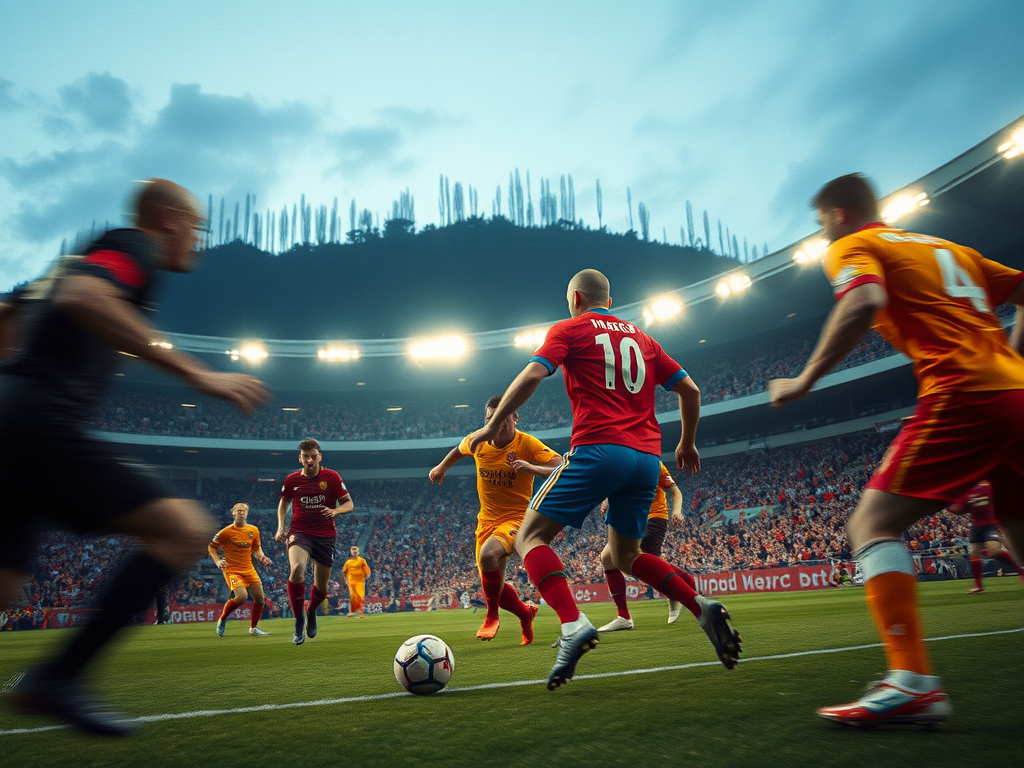
Under the management of Ståle Solbakken, Norway has developed a clear tactical identity. The team often plays in a formation that combines defensive solidity with quick transitions in attack. This has proven effective, especially against stronger opponents.
Defensively, the team is well-organized, with a solid backline led by Andreas Christensen. The midfield, spearheaded by Martin Ødegaard, ties the team together and provides creative solutions in attack. The attacking trio, consisting of Haaland, Sørloth, and Mikkel Duletsh, can create chances out of almost nothing, making them a constant threat.
What This Means for Norway
Norway's return to the World Cup is more than just a sporting achievement; it’s a source of national pride. Fans have been waiting for this day for over two decades, and now that the team is back, it’s an opportunity to relive the excitement that accompanied their previous World Cup appearances.
Qualifying for the World Cup also brings positive ripple effects for Norwegian football as a whole. Regardless of how the tournament unfolds, it will increase visibility for the league and inspire future generations of players. The heightened interest in football in Norway may lead to more resources and investments in youth academies, which will be vital for future success.
Fan Support
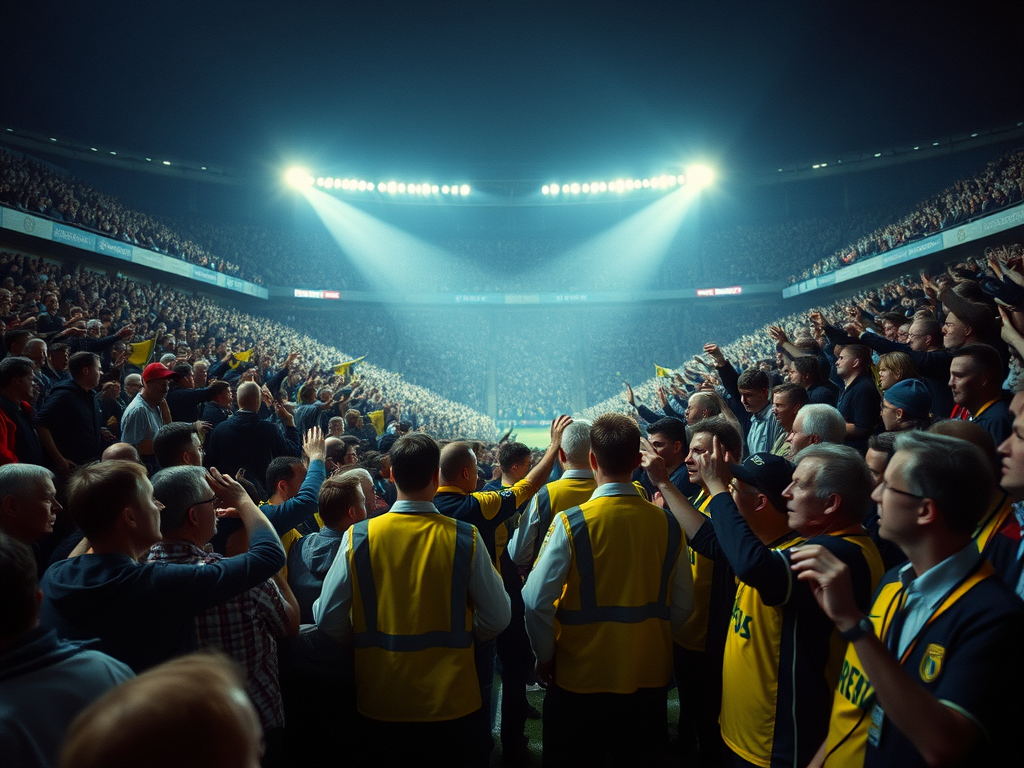
Fans have always been a crucial part of Norway's football culture. With the 2026 World Cup approaching, expectations are high, and supporter clubs across the country are gearing up to cheer the team on. From Ullevaal Stadium in Oslo to small venues in rural areas, the enthusiasm for the World Cup will be palpable.
Large gatherings are expected to watch the matches, with many fans already planning trips to USA and Canada to support the team. The support from fans will be vital for the players' morale, and there’s no doubt they’ll give their all to make their supporters proud.
The Wider Championship Picture
As the 2026 World Cup approaches, it’s clear that Norway will face tough competition. They’ll come up against established football nations like Brazil, Germany, and Argentina, all of whom have a rich history in the tournament.
However, it’s not just the traditional powerhouses that Norway needs to watch out for. Newcomers like Qatar and Canada have shown they can compete at the highest level. This presents Norway with an opportunity to surprise, and with their talented players, they can certainly create headlines.
- Potential opponents in the group stage include:
- Brazil
- Canada
- Japan
What’s Next
As we approach the World Cup, it's crucial for the team to maintain form and avoid injuries. Training sessions will be key to perfecting tactics and building team spirit. Ståle Solbakken will also need to make tough decisions regarding the squad and who will get the chance to play.
Norway has a golden opportunity to showcase themselves on the biggest stage in the football world. No matter what happens, Norway's participation in the 2026 World Cup will be a chapter that will be remembered in football history. Fans will be along for the ride, and we can expect an atmosphere of excitement and hope when they step into this prestigious tournament.